There is a principle in Montessori called "Isolation of Difficulty." This principle is applied within an individual Practical Life presentation by slowing down, focusing on one or two movements in particular, especially those which may be challenging to the child. However, this principle is also applied on the larger scale. In a Montessori environment each material has a specific purpose and there is only one material which isolates that particular "difficulty" or concept for the child. According to Montessori herself, "The difficulty that the child must discover and understand must be isolated in a single piece of material. The isolation simplifies the child's task for him and enables him to perceive the problem more readily" (Montessori: A Modern Approach, 61).
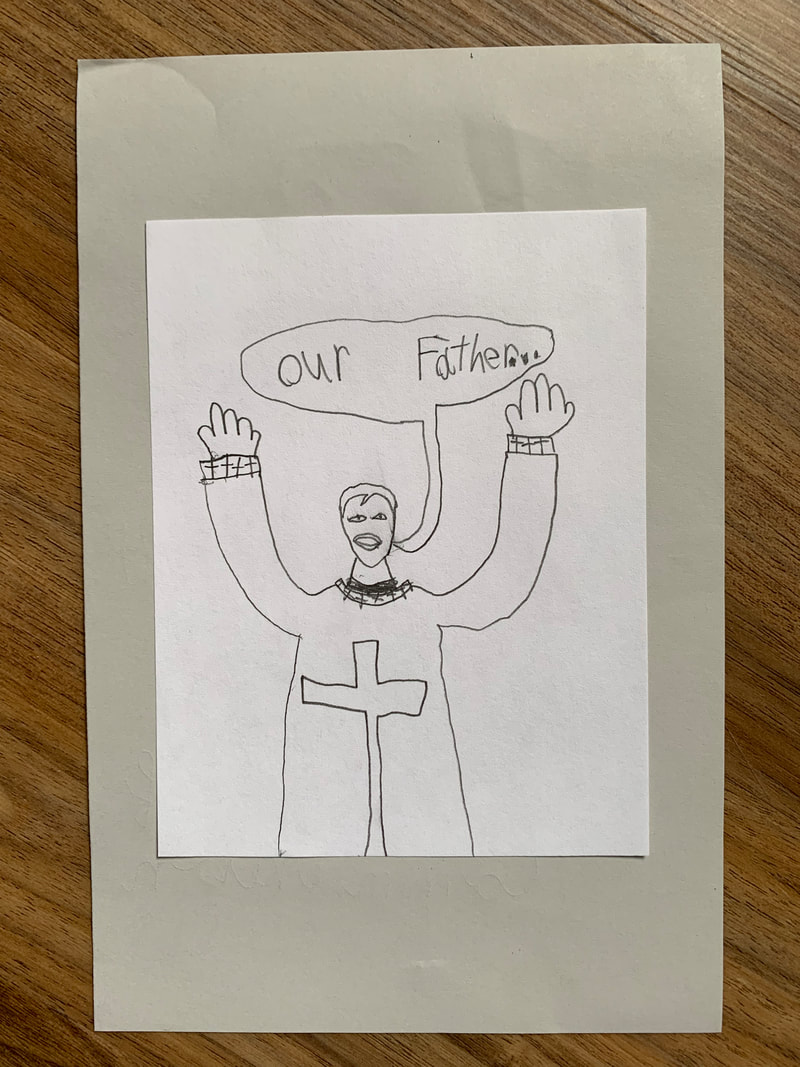
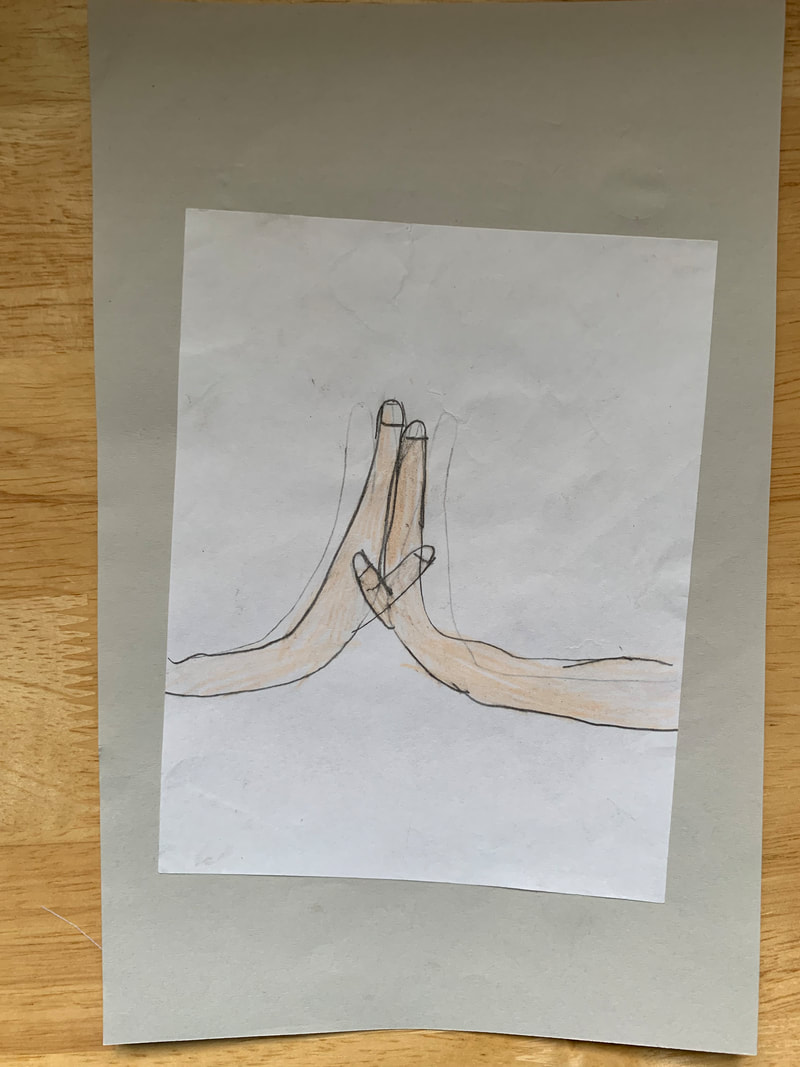
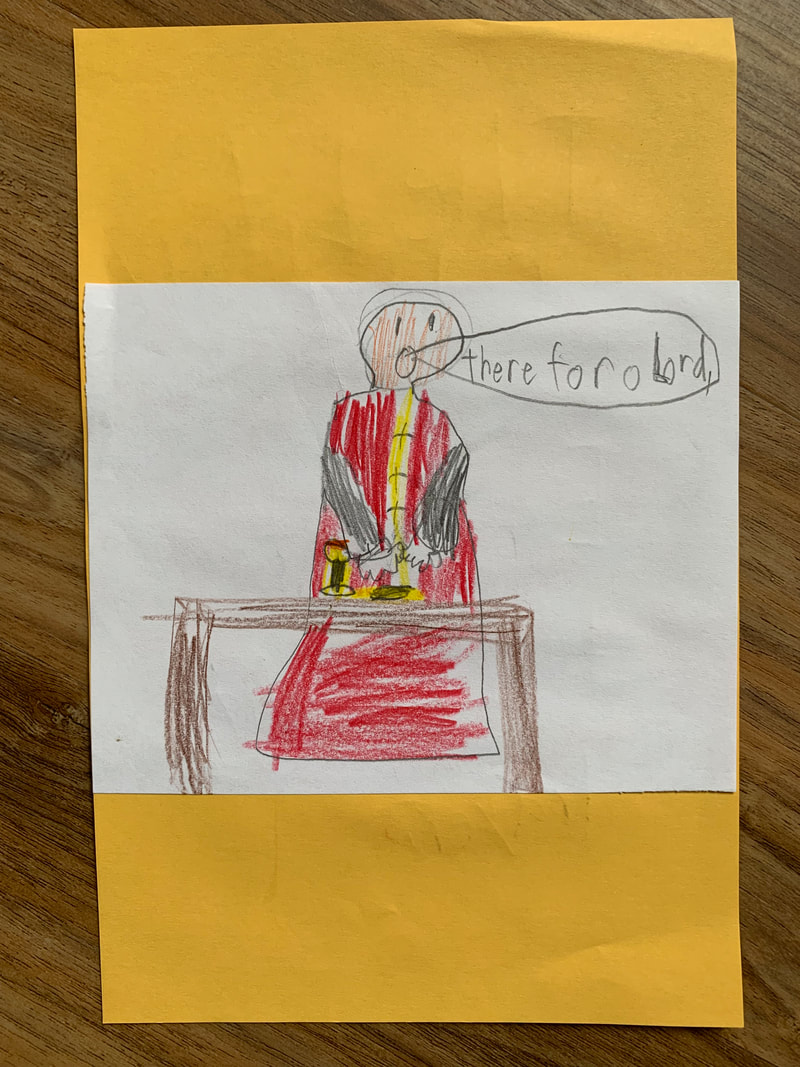
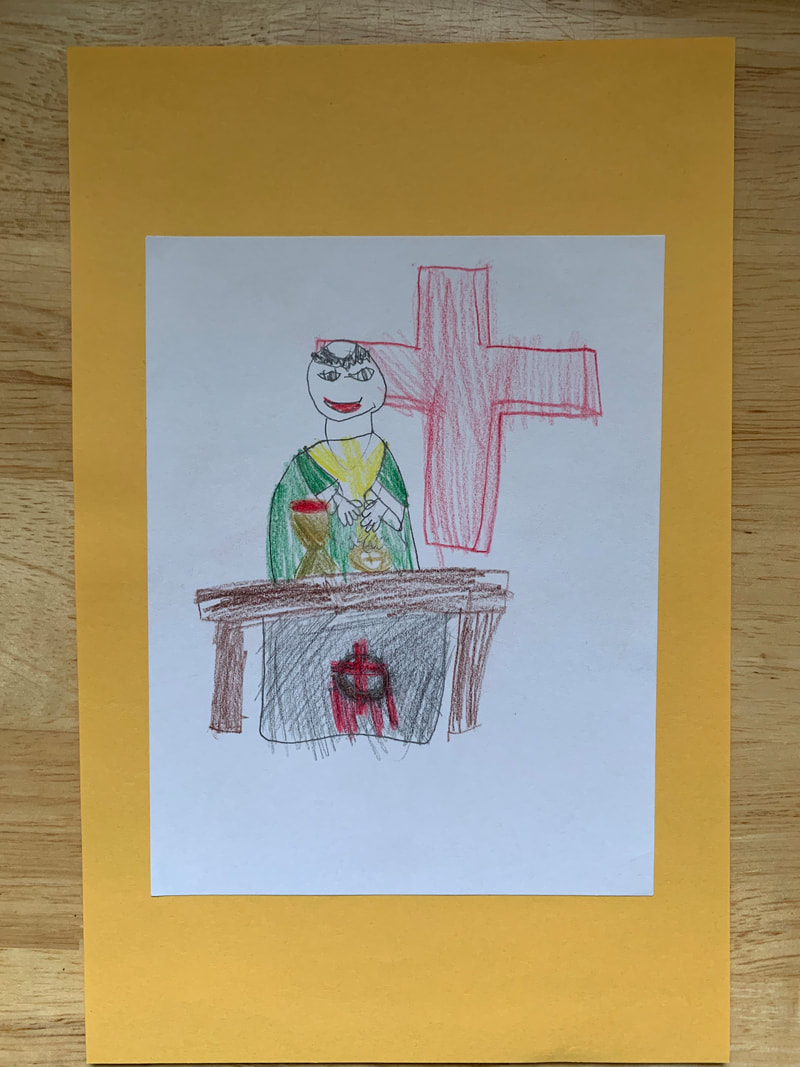
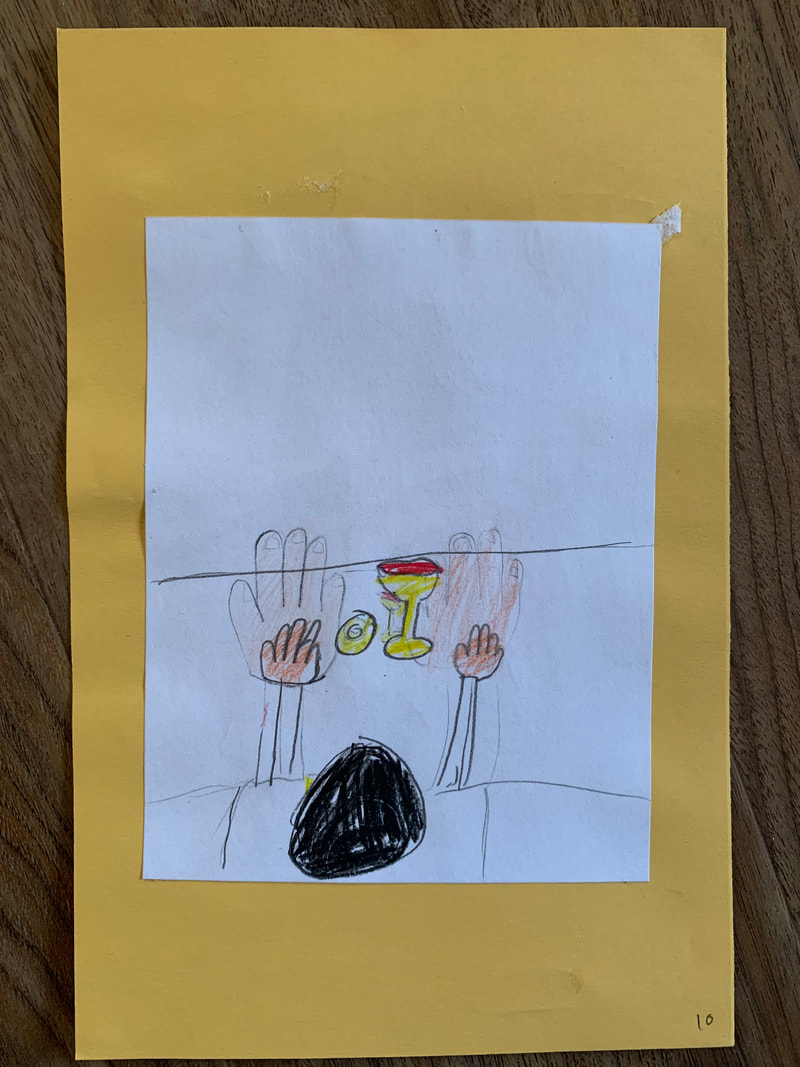
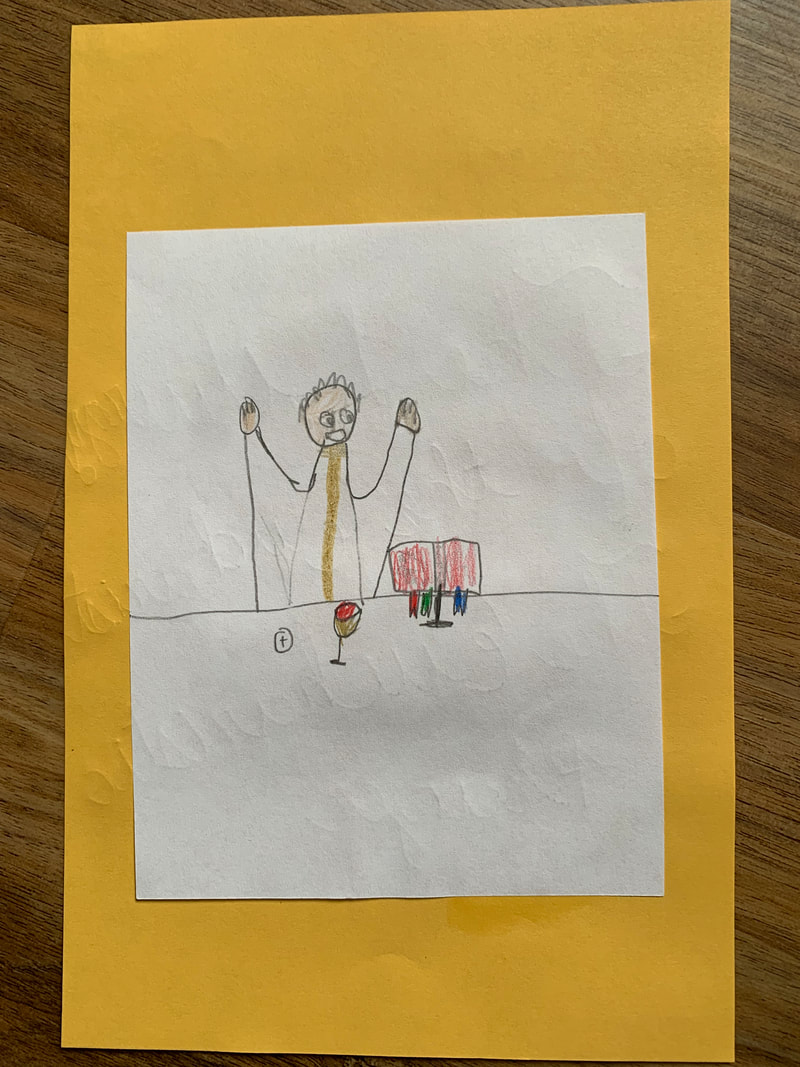
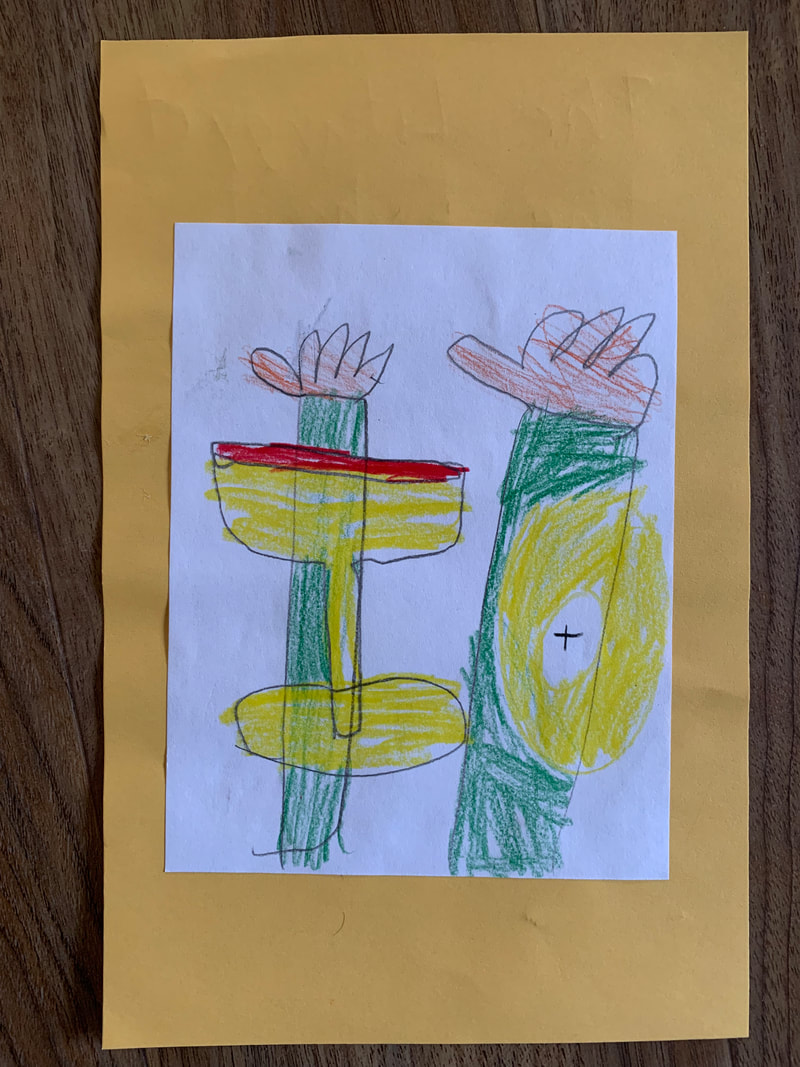
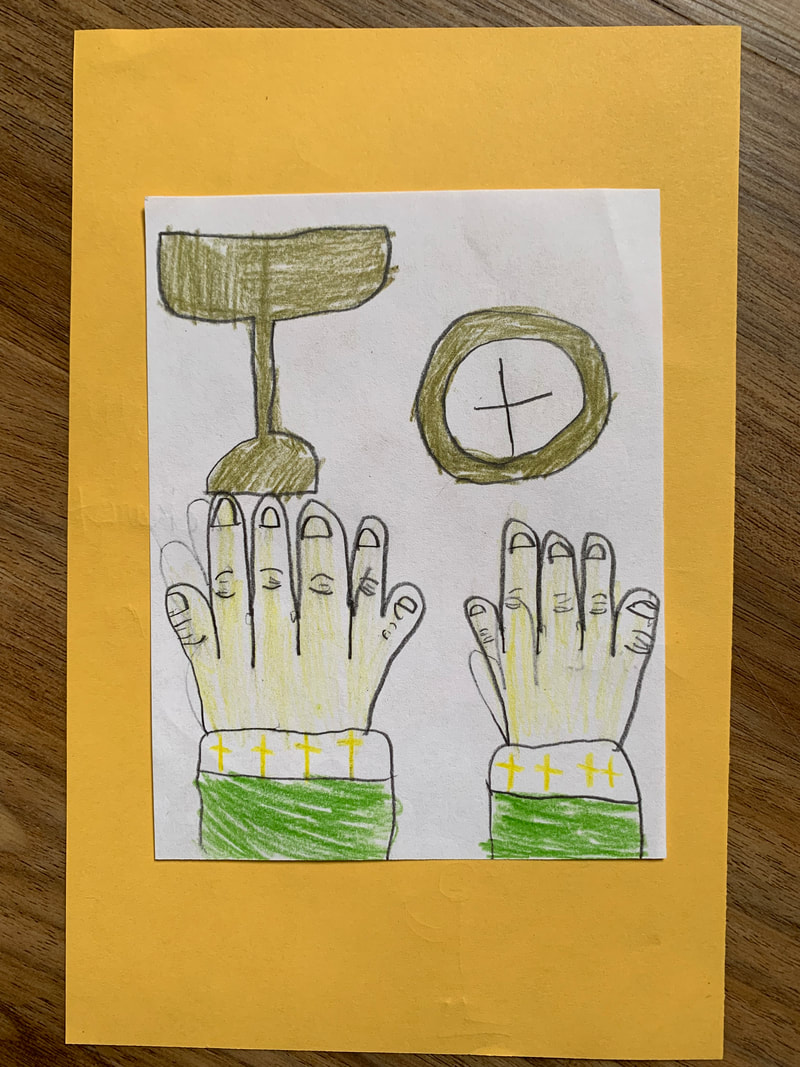
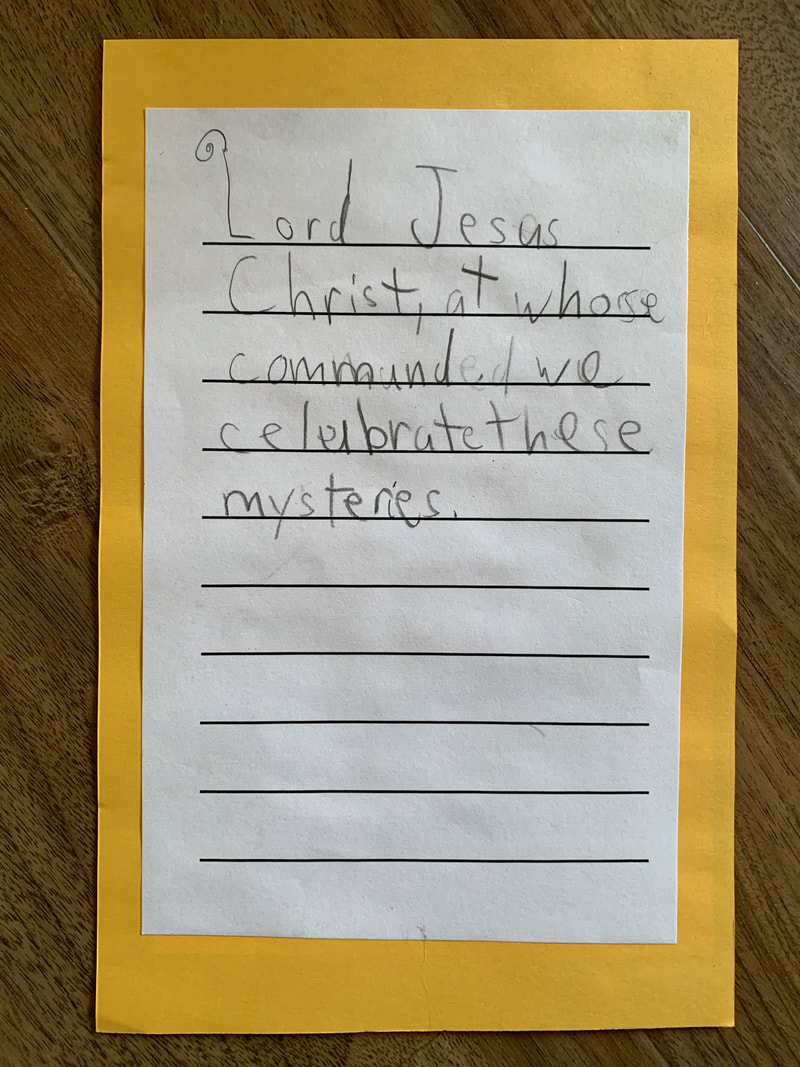
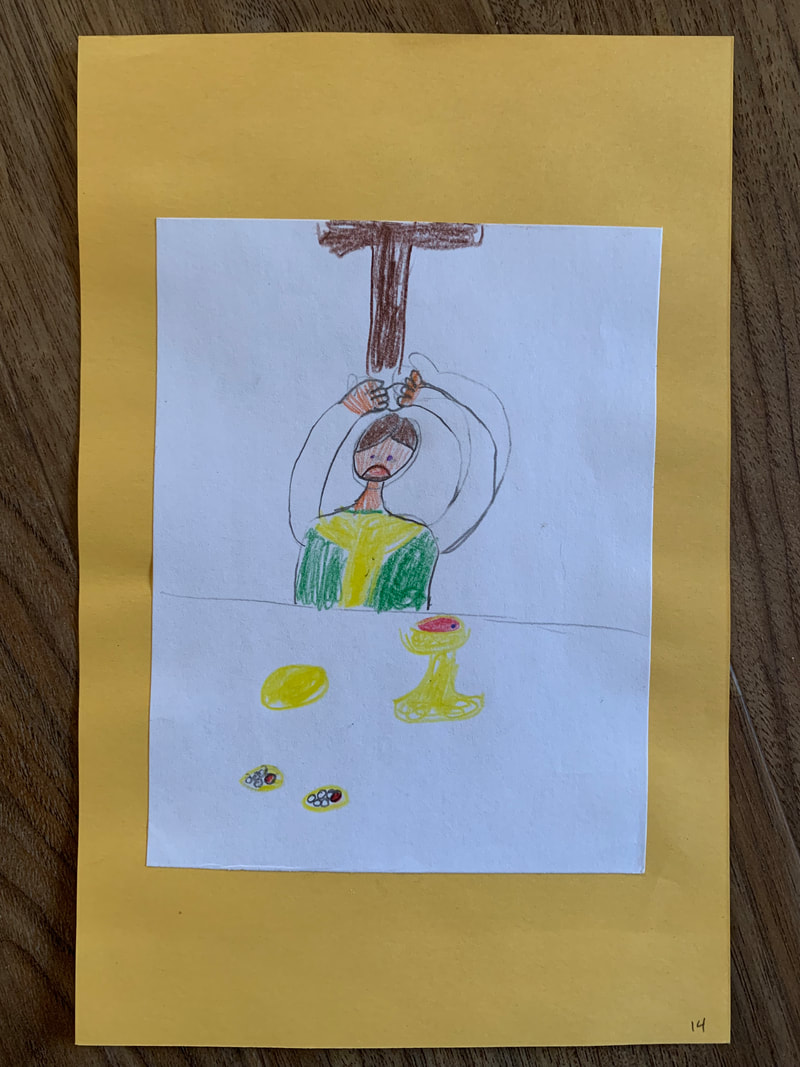
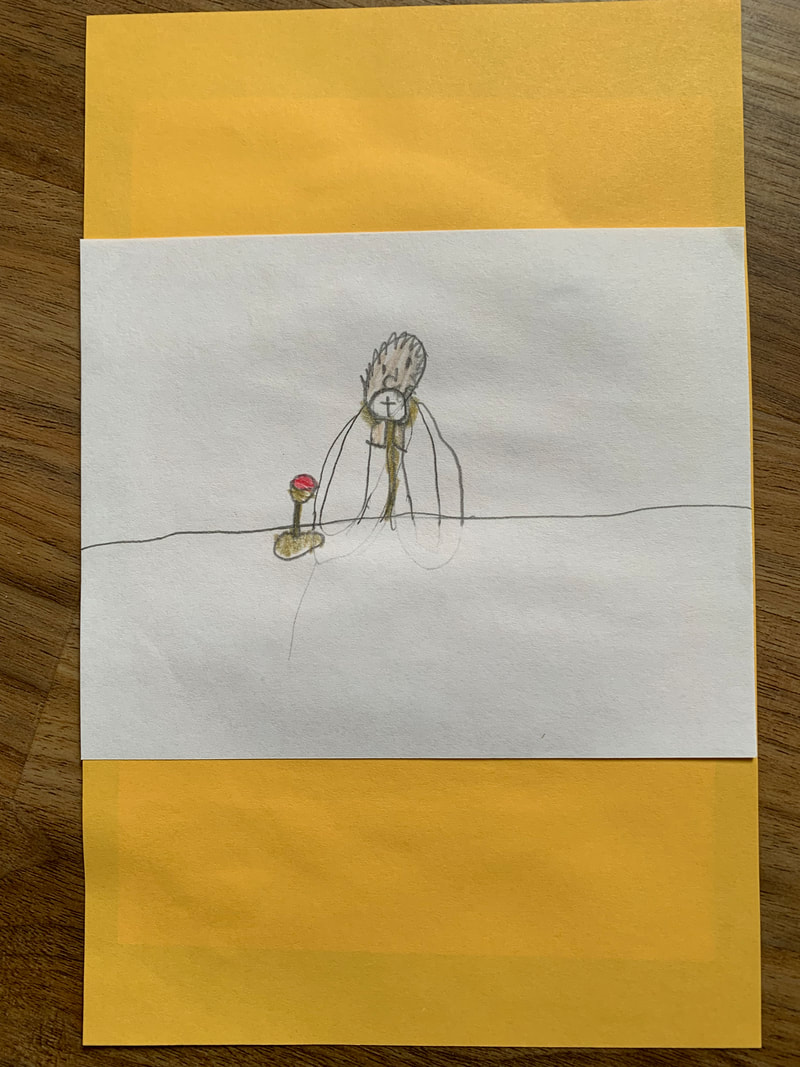
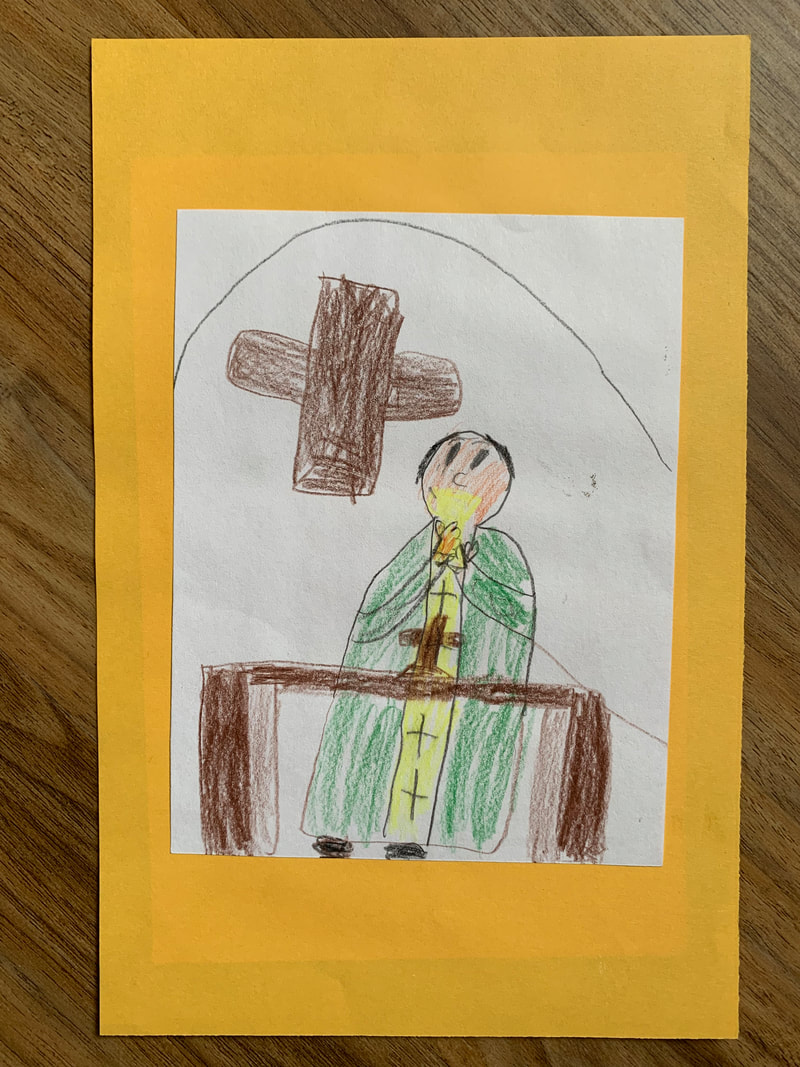
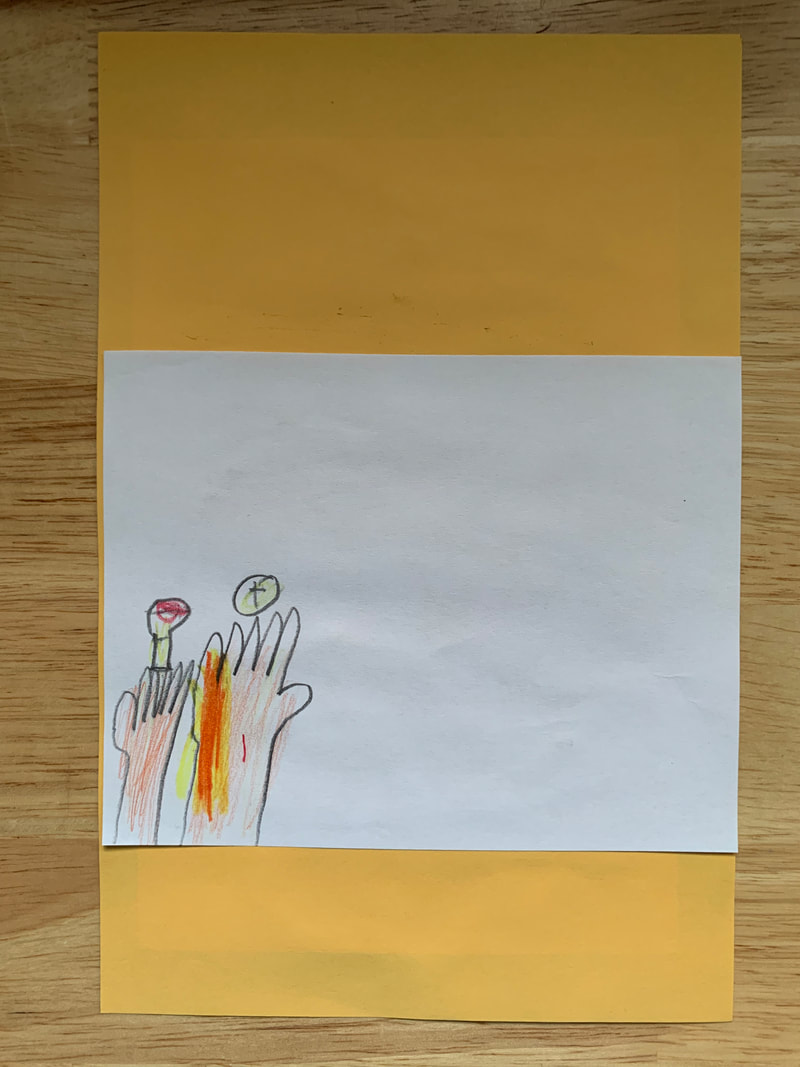
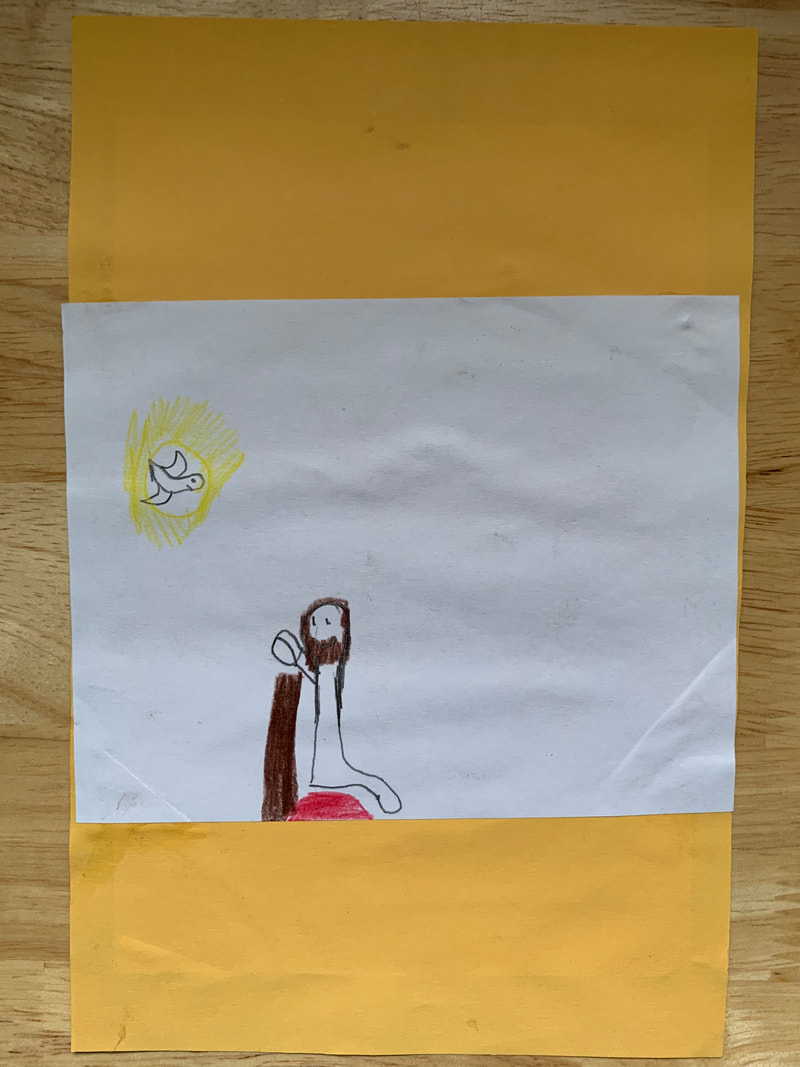
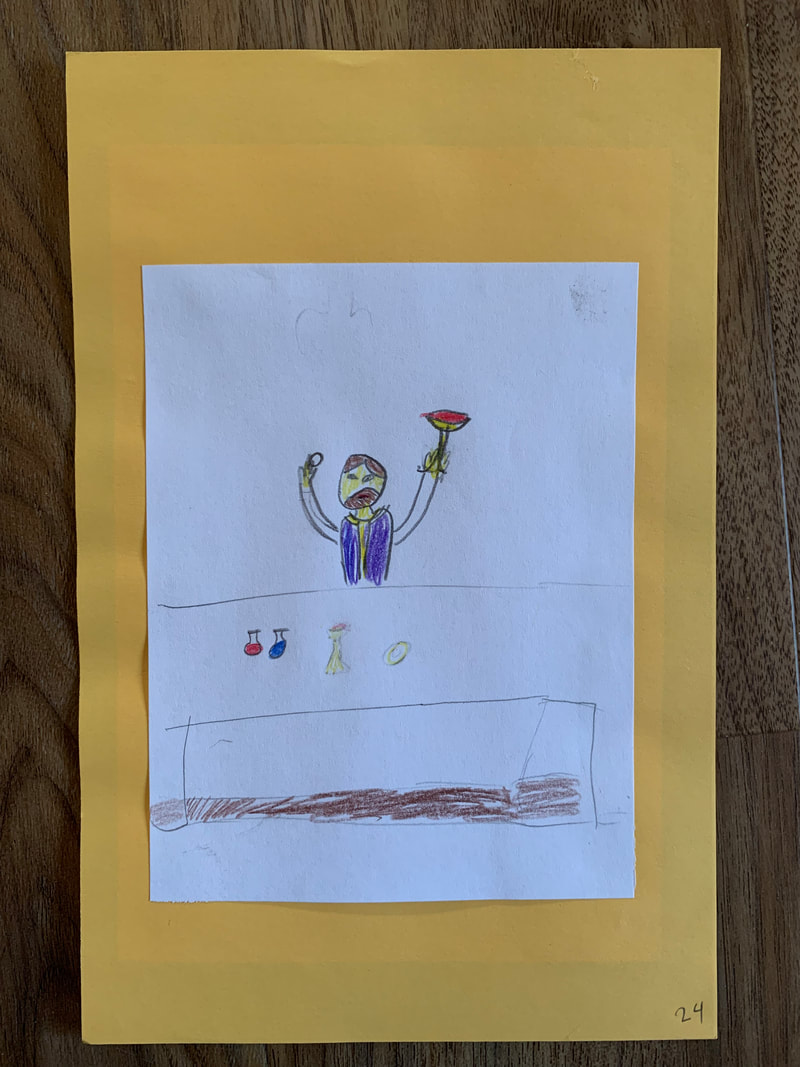
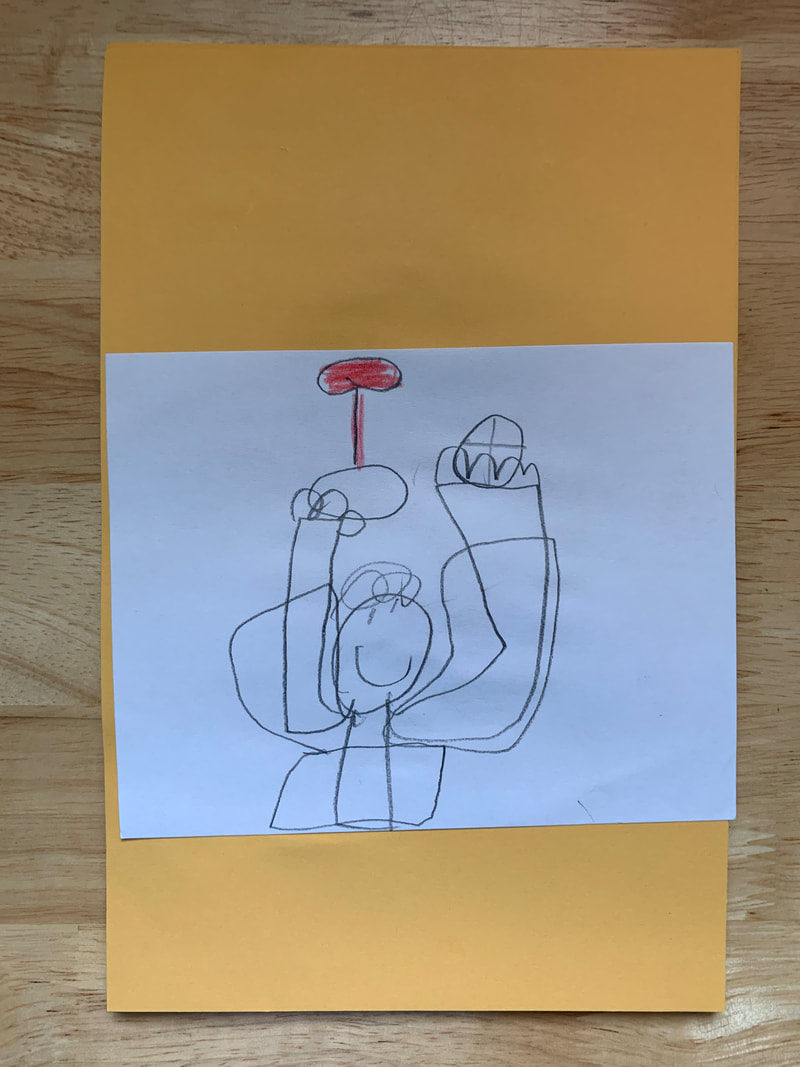
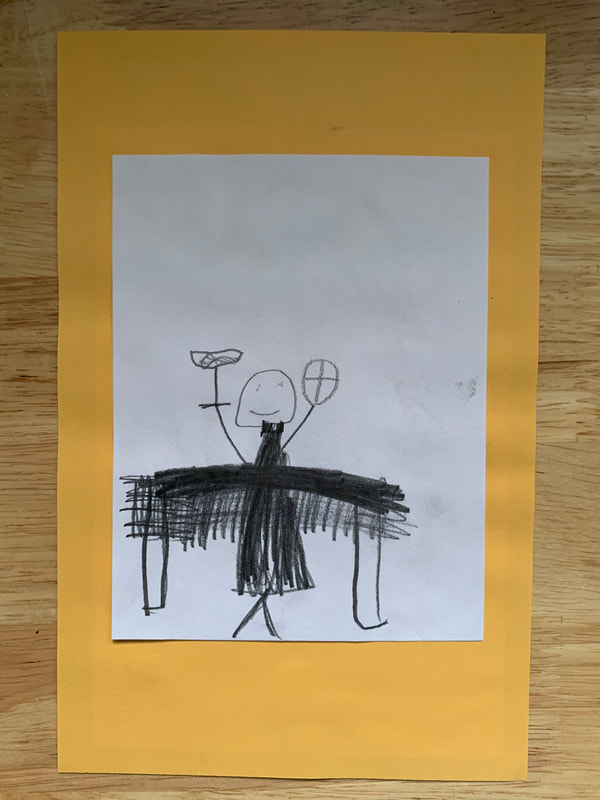
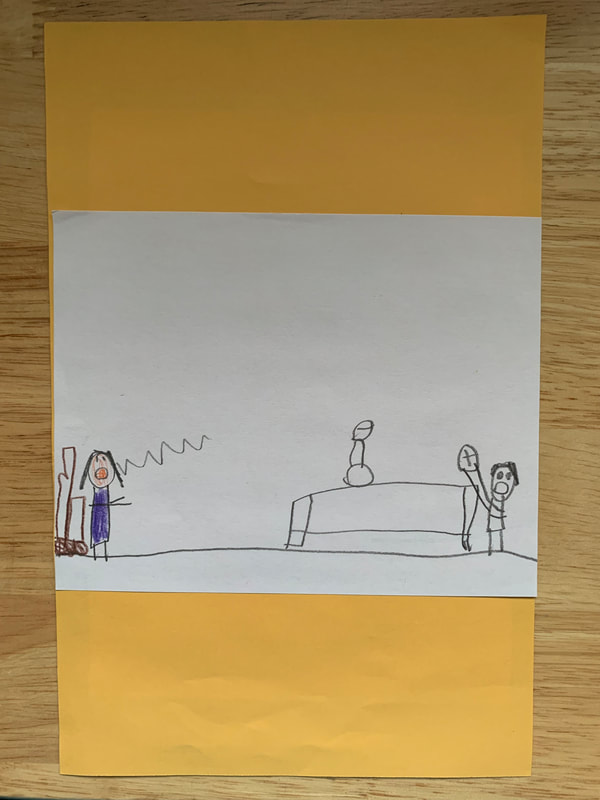
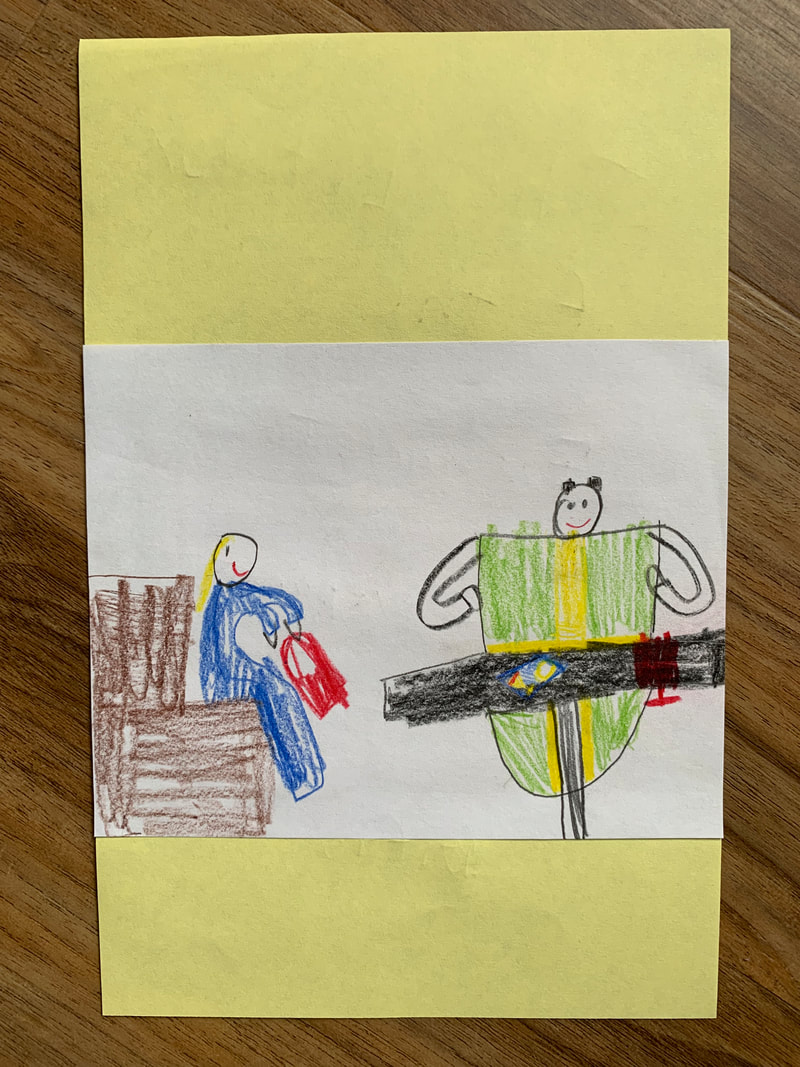
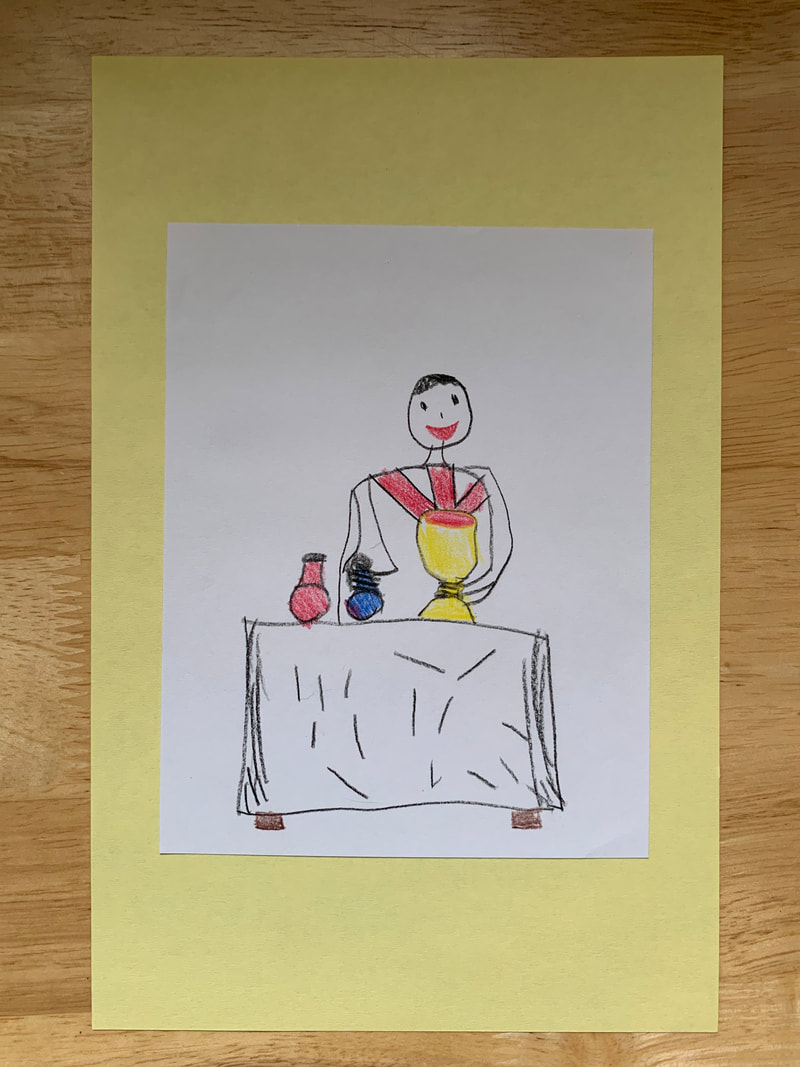
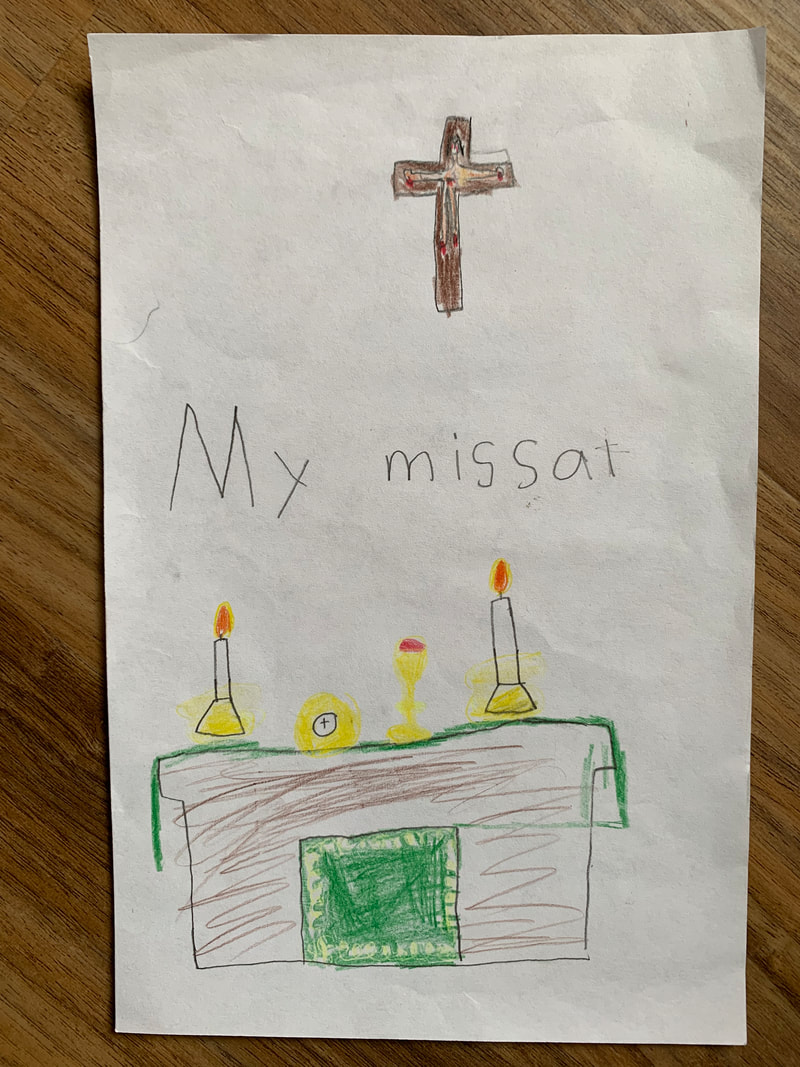
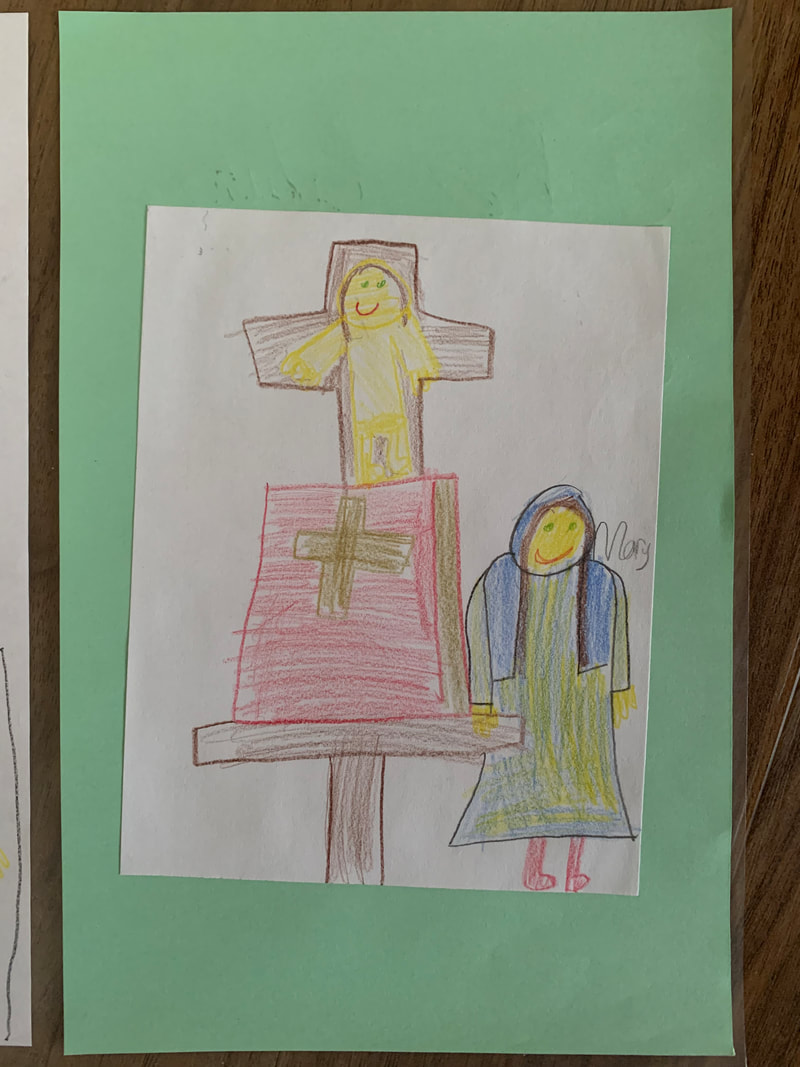
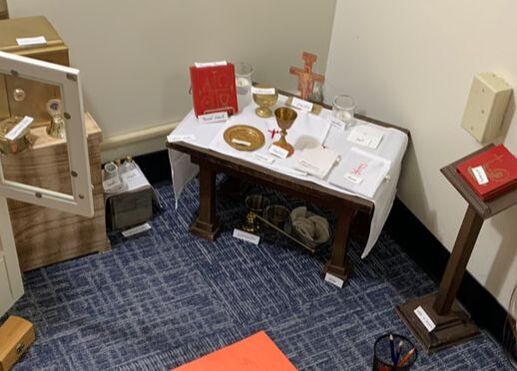
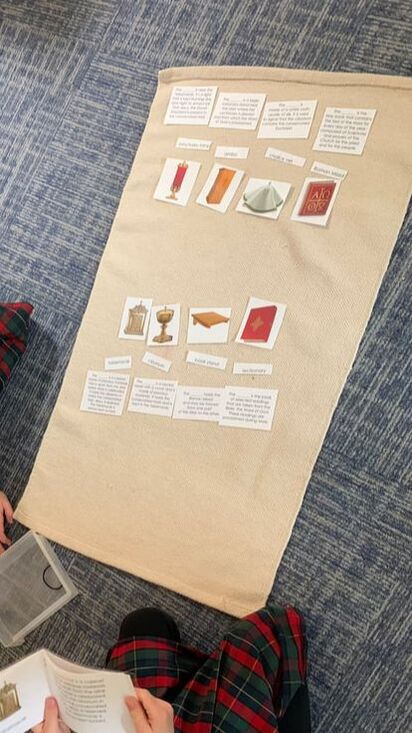
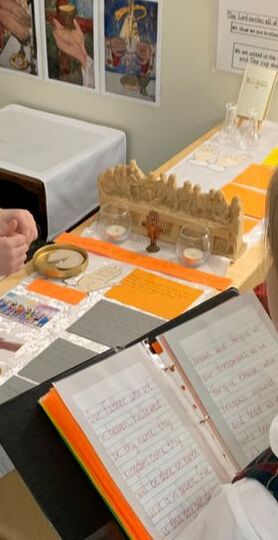
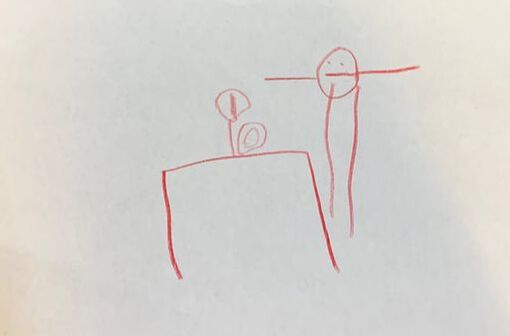
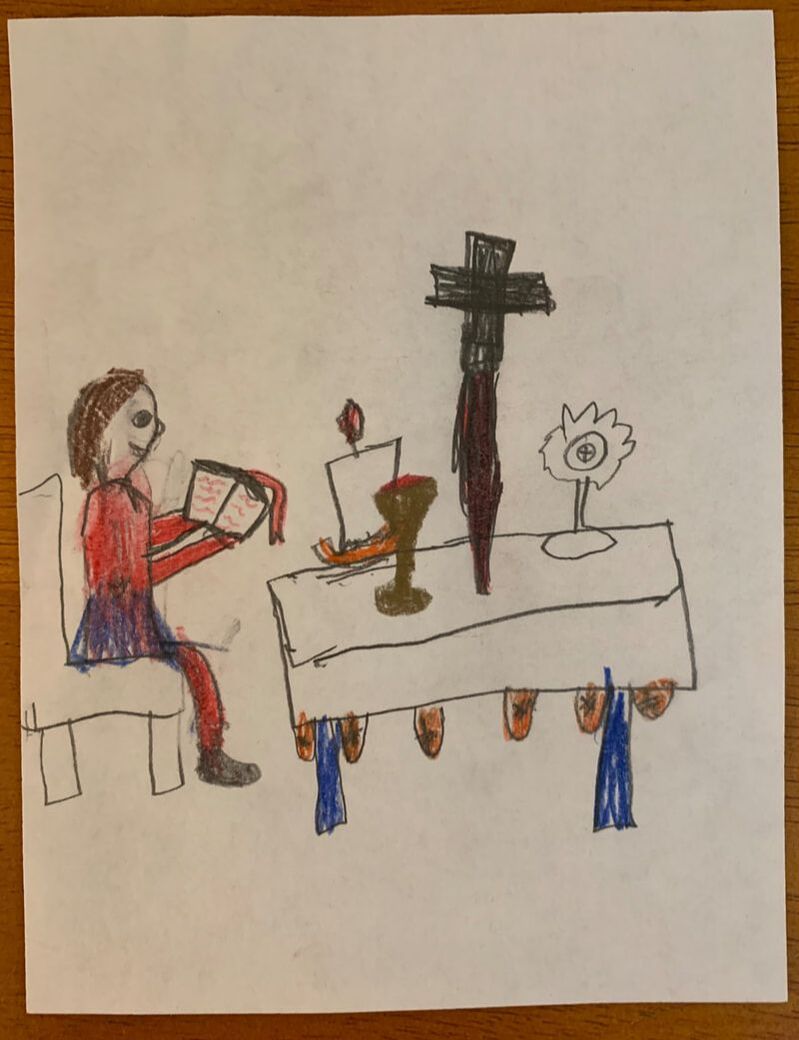
In the Atrium the Model Altar and the Gestures Altar have different purposes, or, we might say, address different "difficulties", a fact which is made clear through the direct aims of the presentations associated with them. The Model Altar is a nomenclature presentation and thus seeks "To name, identify, and make accessible..." while the Gestures presentations intend "To set afire the gesture and ponder..." One of the ways this distinction of purpose is shown is by the size of the materials involved. The Model Altar is intended to be model sized. According to the Materials Manual on CGSUSA.org the altar is to be about 9" in height and 15" by 10" in surface area. At this space the child works to repeat the names and the placement of the items and then is invited to prayer. In contrast, the gestures area is to have "a small work table." The height of this table, to the 3yo child, should be proportionate to the real altar's height in relation to the priest. At this space the child looks at one gesture of prayer as led by the priest during the Mass, and ponders its meaning. Because the purpose of the material is different, the size of the material is different as well. This distinction helps "isolate the difficulty" for the child.
In the Atrium the Model Altar and the Gestures Altar have different purposes, or, we might say, address different "difficulties", a fact which is made clear through the direct aims of the presentations associated with them. The Model Altar is a nomenclature presentation and thus seeks "To name, identify, and make accessible..." while the Gestures presentations intend "To set afire the gesture and ponder..." One of the ways this distinction of purpose is shown is by the size of the materials involved. The Model Altar is intended to be model sized. According to the Materials Manual on CGSUSA.org the altar is to be about 9" in height and 15" by 10" in surface area. At this space the child works to repeat the names and the placement of the items and then is invited to prayer. In contrast, the gestures area is to have "a small work table." The height of this table, to the 3yo child, should be proportionate to the real altar's height in relation to the priest. At this space the child looks at one gesture of prayer as led by the priest during the Mass, and ponders its meaning. Because the purpose of the material is different, the size of the material is different as well. This distinction helps "isolate the difficulty" for the child.
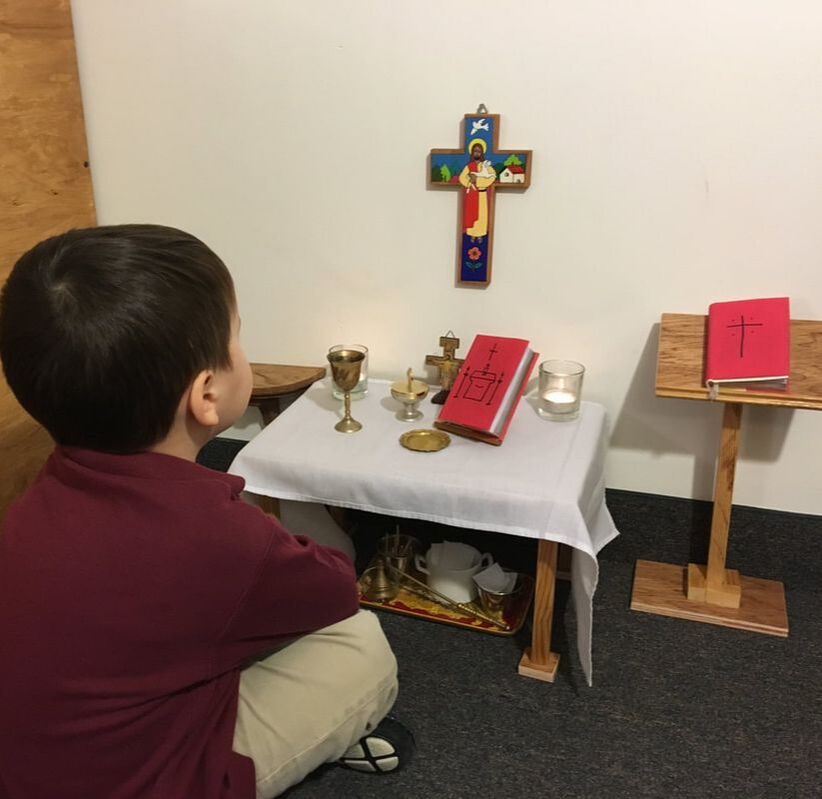 The Model Altar is model sized or doll sized. | 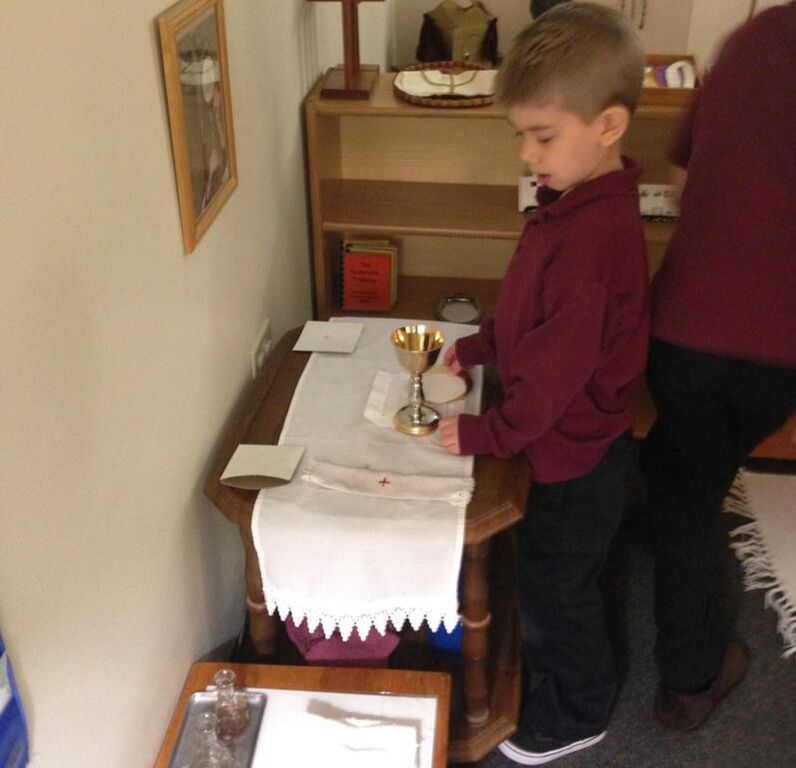 The Gestures Altar is child sized. |
 RSS Feed
